Small Intestinal Bacterial Overgrowth (SIBO) is a condition where excessive bacteria grow in the small intestine‚ often linked to Irritable Bowel Syndrome (IBS). Symptoms include bloating‚ abdominal pain‚ and digestive issues. The SIBO Bi-Phasic Diet is a therapeutic approach designed to manage symptoms‚ reduce bacterial overgrowth‚ and improve gut function‚ offering a structured plan for recovery and long-term digestive health.
1.1 What is SIBO?
Small Intestinal Bacterial Overgrowth (SIBO) is a condition characterized by an abnormal increase in bacterial growth within the small intestine. This overgrowth disrupts normal digestion and nutrient absorption‚ leading to symptoms such as bloating‚ abdominal pain‚ diarrhea‚ and malabsorption. SIBO is often associated with Irritable Bowel Syndrome (IBS) and can stem from various causes‚ including impaired gut motility‚ anatomical abnormalities‚ or certain medical conditions. The bacteria in the small intestine ferment undigested carbohydrates‚ producing gas and causing discomfort. Accurate diagnosis typically involves a lactulose breath test‚ which measures hydrogen and methane levels. Understanding SIBO is crucial for developing effective treatment strategies‚ such as the Bi-Phasic Diet‚ which aims to reduce bacterial overgrowth and alleviate symptoms. This condition highlights the complex relationship between gut health and overall well-being.
1.2 Causes and Risk Factors
Small Intestinal Bacterial Overgrowth (SIBO) arises from an overgrowth of bacteria in the small intestine‚ often due to impaired gut motility‚ which slows the movement of food and bacteria through the digestive tract. Anatomical abnormalities‚ such as intestinal obstruction or surgery‚ can also contribute. Certain medical conditions‚ like diabetes‚ celiac disease‚ or hypothyroidism‚ increase the risk. Additionally‚ conditions that impair immune function or reduce stomach acid production‚ such as gastroesophageal reflux disease (GERD)‚ can predispose individuals to SIBO. The use of medications like proton pump inhibitors (PPIs) and antibiotics may also play a role. Understanding these causes and risk factors is essential for developing targeted treatments‚ such as the Bi-Phasic Diet‚ which aims to reduce bacterial overgrowth and alleviate symptoms. Addressing underlying issues is crucial for long-term management and prevention of recurrence.
1.3 Common Symptoms
Common symptoms of SIBO include bloating‚ abdominal pain‚ diarrhea‚ constipation‚ and gas. These symptoms often mimic those of Irritable Bowel Syndrome (IBS)‚ making diagnosis challenging. Patients may also experience fatigue‚ weight loss‚ and malabsorption of nutrients due to bacterial interference with digestion. In some cases‚ nausea‚ vomiting‚ or heartburn can occur. The overgrowth of bacteria in the small intestine leads to fermentation of undigested carbohydrates‚ producing hydrogen and methane gases‚ which contribute to bloating and discomfort; If left untreated‚ SIBO can impair quality of life and lead to complications like malnutrition or leaky gut syndrome. Recognizing these symptoms is crucial for early intervention and effective management through treatments like the Bi-Phasic Diet‚ which aims to reduce bacterial overgrowth and alleviate digestive distress.
What is the SIBO Bi-Phasic Diet?
The SIBO Bi-Phasic Diet is a therapeutic approach combining low FODMAP and Specific Carbohydrate Diet principles to address bacterial overgrowth in the small intestine‚ created by Dr. Nirala Jacobi.
2.1 Overview
The SIBO Bi-Phasic Diet is a structured therapeutic approach combining the low FODMAP diet and the Specific Carbohydrate Diet (SCD). Designed by Dr. Nirala Jacobi‚ it aims to eliminate bacterial overgrowth in the small intestine while promoting gut healing. This diet is not a permanent solution but a temporary protocol to manage SIBO symptoms and improve digestion. It focuses on reducing bacterial fermentation‚ which can cause bloating‚ pain‚ and other digestive issues. The diet is divided into phases‚ starting with an elimination phase to minimize symptoms and followed by a reintroduction phase to expand food variety. By addressing both bacterial and fungal overgrowth‚ it offers a comprehensive strategy for restoring gut health and reducing malnutrition. The Bi-Phasic Diet is supported by a detailed guide‚ including food lists and meal planning tips‚ to ensure adherence and success.
2.2 The Role of Dr. Nirala Jacobi
Dr. Nirala Jacobi‚ a leading expert in gut health‚ developed the SIBO Bi-Phasic Diet as part of a comprehensive protocol to address small intestinal bacterial overgrowth. Her approach combines dietary strategies with antimicrobial treatments‚ focusing on reducing bacterial and fungal overgrowth; Dr. Jacobi’s protocol emphasizes a phased dietary plan‚ starting with an elimination phase to minimize symptoms and followed by a reintroduction phase to expand food variety. She also addresses co-infections like SIFO (small intestine fungal overgrowth)‚ making the diet versatile for complex cases. By creating detailed food lists and meal planning guides‚ Dr. Jacobi provides patients with practical tools to manage SIBO effectively. Her work has helped thousands improve their digestive health and quality of life‚ offering a structured path toward healing and long-term gut balance.

How the Bi-Phasic Diet Works
The Bi-Phasic Diet combines low FODMAP and Specific Carbohydrate Diets to reduce bacterial overgrowth. It phases treatment to minimize die-off symptoms and promote gut healing effectively.
3.1 Combining Therapeutic Diets
The Bi-Phasic Diet integrates two well-known therapeutic diets: the low FODMAP diet and the Specific Carbohydrate Diet (SCD). This combination aims to minimize bacterial fermentation in the small intestine‚ which is a key factor in SIBO. By limiting fermentable carbohydrates‚ the diet reduces the primary food source for overgrown bacteria‚ thereby decreasing symptoms like bloating‚ gas‚ and abdominal pain. The low FODMAP approach focuses on restricting certain types of carbohydrates that are poorly absorbed‚ while the SCD eliminates problematic sugars and fibers that feed bacteria. Together‚ these diets create a structured plan to starve harmful bacteria‚ promote gut healing‚ and restore normal digestive function. This dual approach ensures a comprehensive strategy to address both bacterial overgrowth and digestive dysfunction effectively.
3.2 Phased Approach to Healing
The Bi-Phasic Diet employs a structured‚ two-phase approach to healing‚ designed to minimize bacterial and fungal die-off symptoms while supporting gut repair. The first phase focuses on eliminating harmful bacteria and fungi by restricting certain foods‚ while the second phase gradually reintroduces foods to identify triggers. This method prioritizes digestion repair over antimicrobial use‚ allowing patients to feel better sooner; The phased approach ensures a gentle transition‚ reducing the intensity of die-off reactions‚ which can include fatigue‚ brain fog‚ or joint pain. By addressing both bacterial overgrowth and gut dysfunction‚ the diet provides a clear roadmap for managing SIBO symptoms and improving overall gut health. This structured plan helps patients transition back to a balanced diet while maintaining nutritional adequacy and quality of life.
Phase 1: The Elimination Phase
Phase 1 focuses on eliminating problematic foods to reduce bacterial and fungal overgrowth‚ minimizing die-off symptoms. It combines low FODMAP and Specific Carbohydrate Diets to promote healing and symptom relief.
4.1 Goals
The primary goal of Phase 1 is to reduce bacterial and fungal overgrowth in the small intestine‚ minimizing die-off symptoms. This phase aims to create an environment where harmful microbes are starved‚ while healing the gut lining and improving digestion. By eliminating high-fermentation foods‚ the diet reduces inflammation and alleviates symptoms like bloating‚ abdominal pain‚ and diarrhea. It also prepares the gut for the reintroduction of more diverse foods in Phase 2. The focus is on stabilizing digestion‚ reducing microbial load‚ and laying the foundation for long-term gut health. This phase is critical for managing SIBO symptoms and preventing relapse‚ ensuring a structured approach to recovery.
4.2 Allowed Foods

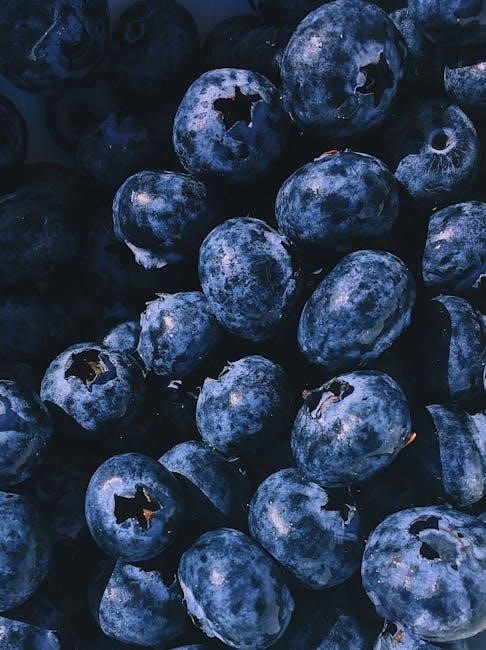
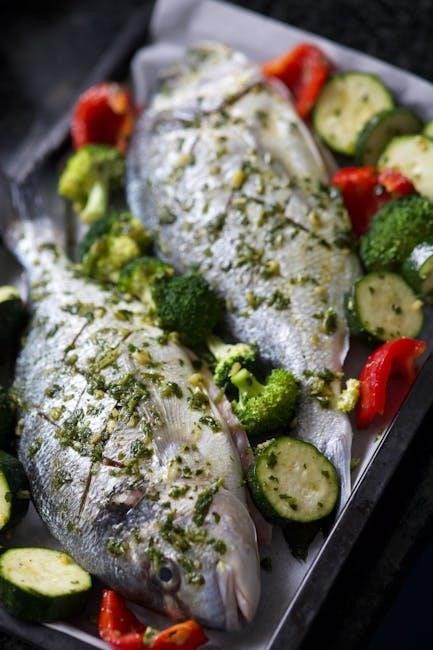
In Phase 1 of the SIBO Bi-Phasic Diet‚ the focus is on consuming non-fermentable‚ easily digestible foods that minimize bacterial and fungal growth. Allowed foods include lean meats like chicken‚ turkey‚ and fish‚ as well as eggs. Vegetables such as spinach‚ zucchini‚ and cucumbers are permitted‚ provided they are well-cooked to reduce fiber content. Healthy fats like olive oil‚ coconut oil‚ and avocado are also allowed. Low-sugar fruits‚ such as berries and citrus‚ can be included in moderation. Herbs and spices that are low in FODMAPs‚ like basil and oregano‚ are encouraged for flavor. Beverages include water‚ herbal teas‚ and bone broth. These foods are chosen for their ability to reduce fermentation and support gut healing‚ while avoiding triggers that exacerbate SIBO symptoms.
4.3 Prohibited Foods
In Phase 1 of the SIBO Bi-Phasic Diet‚ certain foods are prohibited to minimize bacterial fermentation and reduce symptoms. These include high-FODMAP foods like onions‚ garlic‚ beans‚ and lentils‚ as well as sugary foods‚ dried fruits‚ and alcohol. Grains such as wheat‚ barley‚ and rye are avoided due to their fermentable carbohydrates. Dairy products‚ especially those high in lactose‚ are restricted unless lactose-free. Processed foods‚ high-fiber vegetables‚ and most legumes are also prohibited. Foods high in polyols‚ such as sorbitol and mannitol‚ are avoided‚ as they can exacerbate bacterial growth. The goal is to eliminate foods that feed harmful bacteria and fungi‚ reducing die-off symptoms and promoting a healing environment for the gut.

Phase 2: The Reintroduction Phase
Phase 2 focuses on gradually reintroducing foods to identify triggers while maintaining gut health. It aims to expand dietary variety without causing bacterial overgrowth or symptoms.
5.1 Goals
The primary goal of Phase 2 is to gradually reintroduce foods while monitoring for symptoms‚ ensuring the gut remains stable. This phase aims to identify food triggers‚ reduce bacterial overgrowth‚ and restore digestive balance. By carefully reintroducing foods‚ individuals can assess tolerance and personalize their diet. The phase also focuses on minimizing die-off reactions and promoting long-term gut health. It helps transition from a restrictive diet to a more balanced eating plan‚ improving overall quality of life and reducing reliance on therapeutic diets. This structured approach ensures sustainable healing and prepares the body for a diverse‚ nutrient-rich diet in the future.
5.2 Allowed Foods

In Phase 2 of the SIBO Bi-Phasic Diet‚ the focus is on reintroducing foods while maintaining gut stability. Allowed foods include low-FODMAP options‚ non-reactive proteins‚ and carefully selected vegetables. Lean meats like chicken‚ turkey‚ and fish are permitted‚ as are small portions of low-FODMAP fruits like berries and citrus. Vegetables such as cucumbers‚ zucchini‚ and leafy greens are also reintroduced gradually. Healthy fats like olive oil‚ coconut oil‚ and avocado are encouraged. The diet emphasizes avoiding high-FODMAP foods‚ processed sugars‚ and inflammatory triggers. This phase prioritizes nutrient-dense‚ easily digestible foods to support healing and minimize discomfort. The goal is to expand the diet safely while monitoring for any adverse reactions‚ ensuring the gut remains balanced and functional.
5.3 Prohibited Foods
In Phase 2 of the SIBO Bi-Phasic Diet‚ certain foods remain prohibited to prevent bacterial overgrowth and maintain gut stability. High-FODMAP foods‚ such as onions‚ garlic‚ beans‚ and lentils‚ are avoided due to their potential to ferment and exacerbate symptoms. Processed sugars‚ artificial sweeteners‚ and alcohol are also restricted‚ as they can feed harmful bacteria and disrupt gut healing. Additionally‚ grains like wheat‚ barley‚ and rye are prohibited‚ as they can trigger inflammation and digestive discomfort. Foods high in histamines‚ such as aged cheeses and fermented products‚ are also avoided to prevent histamine-related symptoms. The diet strictly limits inflammatory triggers and focuses on eliminating foods that could hinder progress in managing SIBO. This phase requires careful adherence to avoid setbacks and ensure continued improvement in gut health.
Benefits of the Bi-Phasic Diet
The Bi-Phasic Diet reduces SIBO symptoms‚ improves digestion‚ and enhances gut health. It minimizes die-off effects‚ allowing faster relief and better overall well-being and quality of life.
6.1 Physical Benefits
The Bi-Phasic Diet offers significant physical benefits‚ primarily by reducing bacterial overgrowth and alleviating SIBO symptoms. It minimizes the intensity of die-off effects‚ such as bloating‚ abdominal pain‚ and fatigue‚ making the healing process more manageable. By focusing on low-fermentation foods‚ the diet reduces gut inflammation and improves digestion. This structured approach also enhances nutrient absorption‚ addressing malnutrition often associated with SIBO. Additionally‚ the diet supports the repair of the intestinal lining‚ promoting a healthier gut microbiome. Over time‚ many patients experience improved bowel regularity and a reduction in gas production. These physical improvements contribute to overall well-being‚ allowing individuals to regain energy and comfort in their daily lives. The diet’s phased method ensures a gradual and sustainable approach to healing‚ making it an effective therapeutic option for managing SIBO.
6.2 Emotional and Quality of Life Benefits
The Bi-Phasic Diet significantly improves emotional well-being and quality of life for individuals with SIBO. By reducing symptoms like bloating and abdominal pain‚ the diet decreases stress and anxiety related to digestive issues. Many patients report feeling more confident and empowered as they regain control over their health. The structured approach of the diet provides clarity‚ reducing the overwhelm of navigating food choices. Improved digestion also enhances mental health‚ as gut health is closely linked to mood regulation. Additionally‚ the diet’s focus on sustainable healing allows individuals to reintegrate into social and professional activities without discomfort. Overall‚ the Bi-Phasic Diet fosters a sense of hope and renewal‚ helping patients achieve a balanced and fulfilling life beyond SIBO symptoms.
Challenges of the Bi-Phasic Diet
The Bi-Phasic Diet can be challenging due to its strict food restrictions‚ requiring careful planning and potentially leading to social eating difficulties. Adherence demands discipline and patience.
7.1 Common Challenges
Adhering to the SIBO Bi-Phasic Diet can present several challenges. One common issue is the strict limitation of certain foods‚ which can make meal planning and social eating difficult. Patients often experience intense die-off symptoms‚ such as bloating‚ fatigue‚ and brain fog‚ as bacteria and fungi are eliminated. Additionally‚ the phased approach requires discipline and patience‚ as progress may be slow. Some individuals may also struggle with nutritional deficiencies if the diet is not well-planned. Furthermore‚ the need to avoid high-FODMAP and fermentable foods can feel restrictive‚ potentially leading to frustration. These challenges highlight the importance of guidance from a healthcare provider or dietitian to ensure the diet is implemented effectively and safely.
7.2 Solutions and Strategies
To overcome the challenges of the SIBO Bi-Phasic Diet‚ several strategies can be employed. Meal planning and preparation are crucial to ensure adherence and reduce stress. Keeping a symptom journal can help track progress and identify triggers. Gradual reintroduction of foods during Phase 2 can minimize die-off symptoms‚ while staying hydrated and considering supplements like activated charcoal may alleviate discomfort. Seeking support from a healthcare provider or dietitian is highly recommended to address nutritional gaps and tailor the diet to individual needs. Additionally‚ leveraging resources such as the comprehensive PDF guide can provide detailed food lists and practical tips‚ making the process more manageable. By combining these strategies‚ individuals can navigate the diet more effectively and achieve better outcomes in managing SIBO symptoms.

Food Lists and Meal Planning
The SIBO Bi-Phasic Diet includes detailed food lists for each phase‚ ensuring clarity on allowed and prohibited items. Practical meal planning tips help maintain nutritional balance and ease implementation‚ supporting adherence to the diet’s structure for optimal results.
8.1 Understanding Food Categories
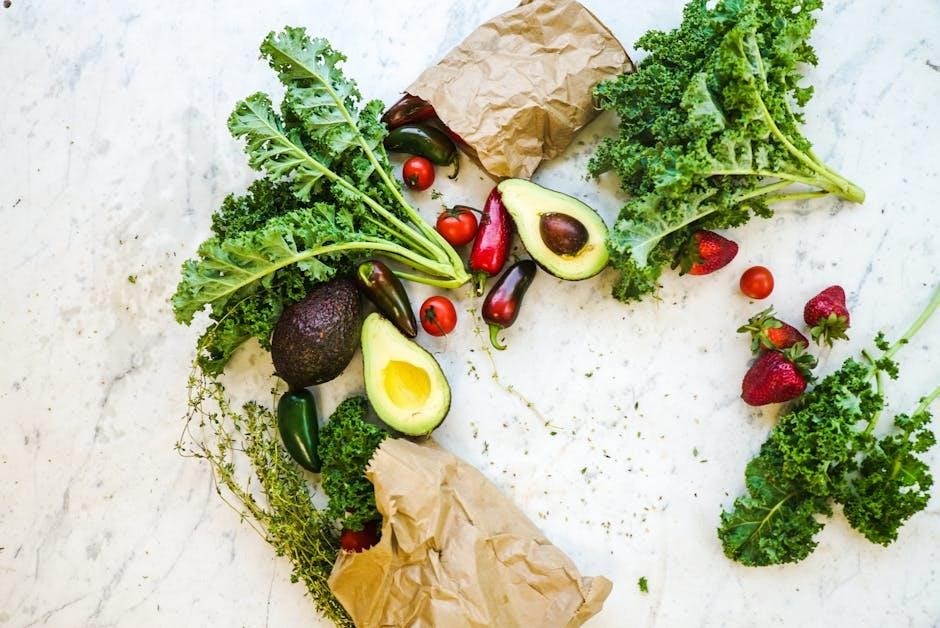
The SIBO Bi-Phasic Diet organizes foods into categories based on their potential to trigger bacterial overgrowth or support gut healing. Foods are classified as allowed‚ prohibited‚ or conditional‚ depending on their fermentability‚ carbohydrate content‚ and ability to promote microbial balance. The diet combines principles from the low FODMAP (fermentable oligosaccharides‚ disaccharides‚ monosaccharides‚ and polyols) diet and the Specific Carbohydrate Diet (SCD)‚ focusing on eliminating high-fermentation foods that feed bacteria. Allowed foods include low-FODMAP vegetables‚ lean proteins‚ and select grains‚ while prohibited foods like high-FODMAP fruits‚ legumes‚ and processed sugars are avoided. Conditional foods‚ such as certain starches or histamine-containing items‚ are reintroduced cautiously in later phases. This structured approach helps minimize bacterial fermentation‚ reduce symptoms‚ and promote a balanced gut environment.
8.2 Practical Meal Planning Tips
Effective meal planning is crucial for success on the SIBO Bi-Phasic Diet; Start by creating a weekly meal schedule‚ focusing on allowed foods from each phase. Use the provided food lists to ensure compliance and avoid prohibited items. Meal prepping can save time and reduce stress‚ especially during the elimination phase. Incorporate a variety of low-FODMAP vegetables‚ lean proteins‚ and gluten-free grains to maintain nutritional balance. Avoid eating on the go‚ as this can disrupt digestion. Keep meals simple and flavorful using herbs and spices instead of high-FODMAP seasonings. Stay hydrated with water or herbal teas‚ and consider tracking symptoms to identify triggers. Consulting with a healthcare provider or dietitian can also provide personalized guidance. By staying organized and prepared‚ you can navigate the diet more effectively and achieve better gut health outcomes.