Psoas Stretching Exercises: A Comprehensive Guide
Discover effective techniques to unlock hip flexibility and alleviate discomfort through targeted stretches, ideal for runners, those with back pain, or anyone seeking improved posture.
Explore a 5-minute yoga routine designed to release psoas and hip flexor tension, counteracting the effects of prolonged sitting and promoting overall well-being.
Learn how a tender hip flexor, like experienced by an ultrarunner, can signal psoas issues, and how addressing these can enhance performance and reduce injury risk.
Understand the connection between psoas tension, stress, weak cores, digestive issues, and chronic back pain, paving the way for a holistic approach to health.
Understanding the Psoas Muscle
The psoas, often called the “muscle of the soul,” is a core muscle deeply connected to our physical and emotional well-being. It’s a long muscle running from the lumbar spine, through the pelvis, and into the femur, significantly impacting posture, movement, and even breathing.
Its primary function is hip flexion – bringing your knee towards your chest – but it also plays a crucial role in stabilizing the spine and supporting abdominal pressure. Because of its deep connection to the diaphragm, it influences our stress response; chronic stress can lead to psoas tightening.
Tightness in the psoas can manifest in various ways, including lower back pain, hip discomfort, digestive issues, and postural imbalances. Runners and individuals who spend long hours sitting are particularly prone to psoas tightness. Addressing this tension through targeted stretching is vital for restoring optimal function and alleviating associated discomfort.
Releasing the psoas can unlock greater freedom of movement, improve core stability, and promote a sense of grounding and ease. Understanding its function is the first step towards effective relief.
What is the Psoas Muscle and Why is it Important?
The psoas muscle is a deep core muscle, connecting the lumbar spine to the femur, acting as a vital link between the upper and lower body. Composed of the psoas major and iliacus, it’s often referred to as the ‘hip flexor’ but its role extends far beyond simply lifting the leg.
Its importance lies in its influence on posture, stability, and movement. A healthy psoas supports the natural curves of the spine, facilitates efficient locomotion, and contributes to balanced muscle function. Conversely, a tight psoas can pull the lower back into an exaggerated curve, leading to pain and discomfort.
Furthermore, the psoas impacts digestive health and the body’s stress response. It’s intimately connected to the diaphragm, influencing breathing patterns, and can become constricted during periods of chronic stress. Releasing tension in the psoas can therefore promote relaxation and improve overall well-being.
Understanding its multifaceted role highlights why addressing psoas health is crucial for optimal physical and emotional function.
The Connection Between Psoas Tension and Common Issues
Psoas tension frequently manifests as a cascade of related problems throughout the body. A chronically tight psoas significantly contributes to lower back pain by altering spinal alignment and increasing compression. This muscular imbalance can also restrict movement and exacerbate existing conditions.
Regarding posture, a shortened psoas pulls the pelvis forward, leading to an anterior pelvic tilt and often resulting in an exaggerated lumbar curve. This postural distortion can cause muscle imbalances, impacting everything from shoulder alignment to head position.
Surprisingly, the psoas also influences digestive health. Its proximity to major abdominal organs means tension can restrict blood flow and nerve function, potentially contributing to digestive discomfort, bloating, and even irritable bowel symptoms.
Ultimately, recognizing these interconnected issues emphasizes the importance of addressing psoas tension as part of a holistic approach to wellness.
Psoas and Lower Back Pain
A tight psoas muscle is a frequent culprit in the development and perpetuation of lower back pain. Its attachment points – the lumbar vertebrae and the femur – mean that when the psoas contracts and shortens, it directly pulls on the lower spine, increasing compression and potentially irritating nerves.
This pull can disrupt the natural curvature of the spine, leading to an exaggerated lumbar lordosis (swayback) and contributing to muscle imbalances. Consequently, other back muscles must work harder to compensate, leading to fatigue and pain.
Furthermore, psoas tension can inhibit the glutes, weakening core stability and further exacerbating lower back strain. Addressing psoas tightness through targeted stretching and strengthening exercises is therefore crucial for alleviating and preventing lower back discomfort.
Effective release of the psoas can restore proper spinal alignment, reduce compression, and improve overall back health.
Psoas and Posture
The psoas muscle plays a significant, often underestimated, role in maintaining proper posture. When functioning optimally, it helps stabilize the spine and pelvis, allowing for a neutral and balanced alignment. However, chronic tightness in the psoas can dramatically alter posture, leading to several common issues.
A shortened psoas typically pulls the pelvis forward, increasing the lumbar curve and causing an anterior pelvic tilt. This, in turn, can result in a forward head posture as the body attempts to counterbalance the shift in weight. This postural distortion can strain neck and shoulder muscles.
Poor posture stemming from psoas tightness can contribute to muscle imbalances, reduced breathing capacity, and even digestive problems. Releasing tension in the psoas through stretching and strengthening exercises helps restore a more natural and healthy postural alignment.
Improving posture through psoas work can alleviate strain and promote better overall body mechanics.
Psoas and Digestive Health
The psoas muscle’s connection to digestive health is often overlooked, yet profoundly impactful. This deep core muscle directly influences abdominal compression and organ function due to its proximity to the digestive system. A tight psoas can restrict blood flow and nerve supply to the abdominal organs, hindering optimal digestion.
Chronic tension in the psoas can compress the intestines, potentially leading to constipation, bloating, and Irritable Bowel Syndrome (IBS) symptoms. The psoas also influences the diaphragm, impacting breathing patterns, which are crucial for abdominal massage during digestion.
Releasing psoas tension through targeted stretching exercises can alleviate compression, improve blood flow, and restore proper nerve function, supporting a healthier digestive process. Addressing psoas tightness can be a valuable component of a holistic approach to digestive wellness.
For millions suffering digestive issues, a weak core and tight psoas may be contributing factors.
Identifying Psoas Tightness
Recognizing psoas tightness is the first step towards relief and improved movement. Often, it manifests subtly, making early detection crucial. Common indicators include chronic lower back pain that doesn’t respond to typical treatments, and a limited range of motion in the hips.
A forward tilt in the pelvis, creating an exaggerated curve in the lower back, is a frequent sign. This can lead to discomfort when standing for extended periods or during activities requiring hip flexion. Runners may experience a tender hip flexor, as seen in elite athletes.

Difficulty fully straightening the affected leg, or a sensation of pulling in the hip area during certain movements, also suggests tightness. Self-assessment tests, detailed in the following section, can provide further clarity and help pinpoint the extent of the restriction.
Ignoring these signals can lead to compensatory patterns and chronic pain.
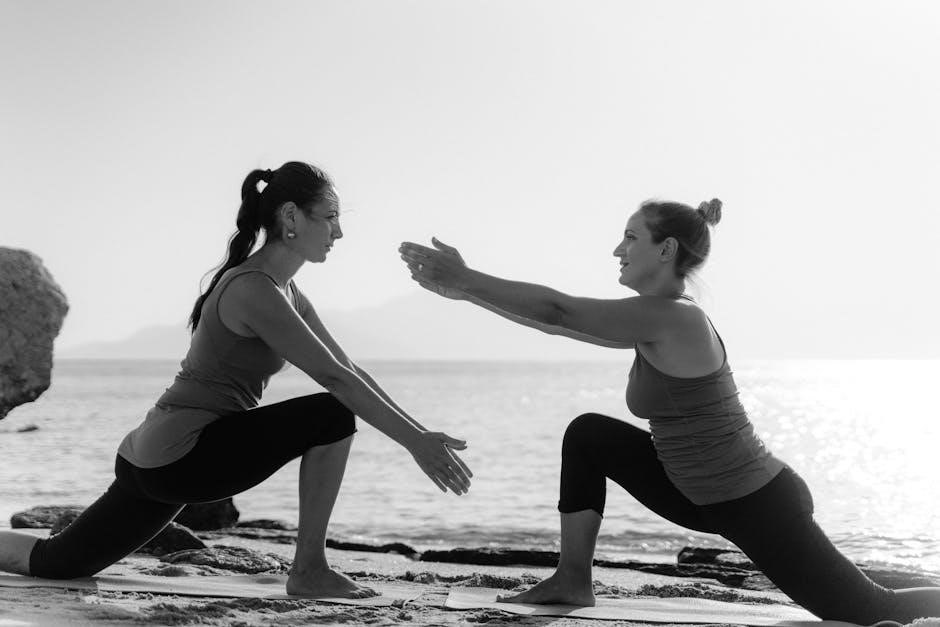
Common Symptoms of a Tight Psoas
A tight psoas muscle often presents with a cascade of symptoms impacting various areas of the body. Lower back pain is a hallmark sign, frequently described as a dull ache or sharp, localized discomfort. This pain can be exacerbated by prolonged sitting, standing, or activities involving hip flexion.
Hip discomfort, ranging from a subtle ache to sharp pain, is also common, potentially radiating down the thigh. Postural imbalances, such as an increased lumbar curve and rounded shoulders, frequently develop as the body compensates for the restricted psoas.
Digestive issues can surprisingly arise due to the psoas’s proximity to abdominal organs. A tight psoas can compress these organs, leading to bloating, constipation, or irritable bowel symptoms. Fatigue and reduced energy levels may also occur as the body works harder to maintain stability.
Ultimately, recognizing these symptoms is key to addressing the root cause and restoring optimal function.
Self-Assessment Tests for Psoas Flexibility
Evaluating psoas flexibility can be done through several simple self-assessment tests. A basic check involves lying on your back and bringing one knee towards your chest. Observe how far you can comfortably pull your knee without straining your lower back; limited range suggests tightness.
Another test is the modified Thomas stretch – lying on a firm surface and bringing both knees to your chest, then slowly lowering one leg towards the floor while keeping the other knee bent. If the lowered leg doesn’t reach a flat position, or your lower back arches excessively, it indicates a tight psoas.
Pay attention to your posture while standing. A pronounced forward tilt of the pelvis, often accompanied by an exaggerated lumbar curve, can signify psoas overactivity and tightness. These tests offer valuable insights, but consulting a healthcare professional is recommended for a comprehensive assessment.
Remember, these are indicators, not definitive diagnoses.

Effective Psoas Stretching Exercises
Unlock improved flexibility and relieve tension with dynamic and static stretches, targeting the psoas muscle for enhanced movement and reduced discomfort.
Dynamic Stretches for Psoas Activation
Prepare your psoas for deeper stretching with dynamic movements that gently increase range of motion and blood flow. These exercises aren’t held, but rather performed with controlled repetitions.
Leg Swings are a fantastic starting point; gently swing one leg forward and backward, keeping your core engaged and maintaining balance. This motion directly addresses hip flexor mobility.
Knee to Chest is another excellent activator. While standing or lying down, bring one knee towards your chest, hugging it gently; Alternate legs, focusing on feeling a stretch in the hip flexors and lower back.
These dynamic stretches are ideal for warming up the psoas before static stretches or any activity requiring hip flexibility. They help to loosen the muscle and prepare it for more intense work, reducing the risk of injury. Incorporate these into your routine to enhance performance and promote healthy movement patterns.
Remember to perform these movements with control and listen to your body, avoiding any pain.
Leg Swings
Leg swings are a foundational dynamic stretch, effectively warming up the psoas and surrounding hip flexors. Begin by standing tall with feet hip-width apart, maintaining a slight bend in your supporting knee.
Gently swing one leg forward and backward, keeping the movement controlled and avoiding any jerky motions. Focus on initiating the swing from the hip joint, rather than bending at the waist.
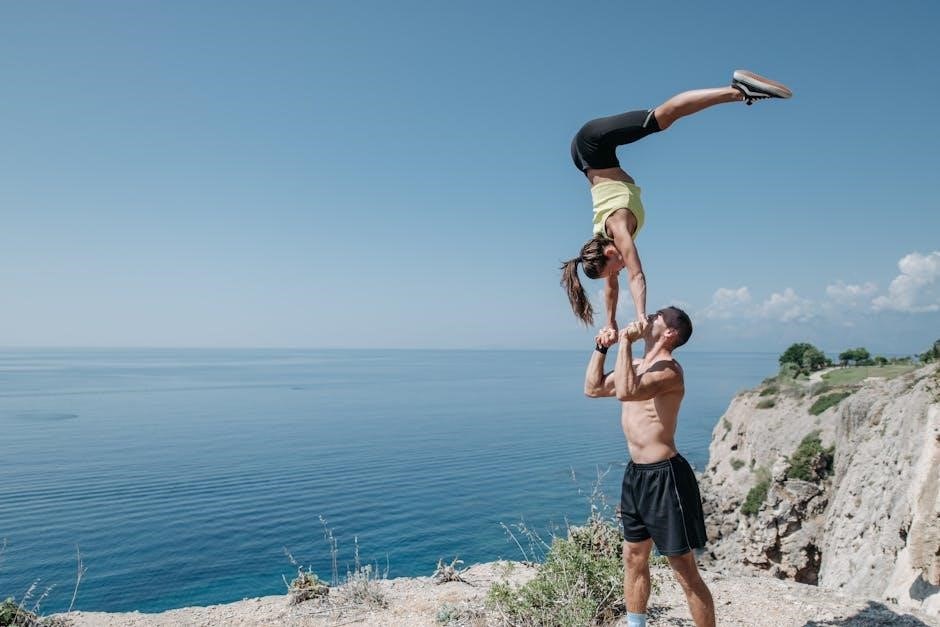
Engage your core throughout the exercise to maintain stability and prevent lower back strain. A slight lean away from the swinging leg can help increase the range of motion.
Perform 10-15 swings per leg, gradually increasing the range of motion as you feel comfortable. This exercise improves hip mobility and prepares the psoas for more intensive stretching.
Remember to breathe deeply and consistently throughout the movement, and stop if you experience any pain. Leg swings are a simple yet powerful tool for activating the psoas and enhancing overall hip health.
Knee to Chest
The knee-to-chest stretch is a gentle yet effective dynamic movement, targeting the psoas and lower back muscles. Begin by lying comfortably on your back with knees bent and feet flat on the floor.
Slowly bring one knee towards your chest, clasping your hands behind your thigh or around your shin. Gently pull the knee closer, feeling a stretch in your lower back and hip flexor region.
Maintain a relaxed neck and shoulders throughout the exercise, avoiding any tension. Hold the stretch for 15-30 seconds, breathing deeply and evenly.
Release the knee slowly and repeat on the other side. You can also perform this stretch alternating legs for a more dynamic effect.
This stretch helps to lengthen the psoas, relieve lower back discomfort, and improve spinal mobility. It’s a beneficial exercise for counteracting the effects of prolonged sitting and promoting overall flexibility.
Static Stretches for Psoas Release
Static stretches are crucial for deeply releasing tension within the psoas muscle and surrounding hip flexors. These stretches involve holding a position for a sustained period, allowing the muscle fibers to lengthen and relax.
Unlike dynamic stretches, static stretches are best performed after a warm-up or as part of a cool-down routine. They are excellent for improving flexibility and reducing muscle soreness.
We’ll explore several effective static stretches, including the kneeling hip flexor stretch, pigeon pose (with variations for all levels), and a supine psoas stretch utilizing a strap for enhanced reach and comfort.
Remember to breathe deeply and evenly throughout each stretch, avoiding any bouncing or jerky movements. Focus on feeling a gentle pull, not pain, in the target muscle group.
Consistent practice of these static stretches can significantly improve psoas flexibility, alleviate lower back pain, and promote better posture, contributing to overall well-being.
Kneeling Hip Flexor Stretch

The kneeling hip flexor stretch is a foundational static stretch targeting the psoas and surrounding hip flexors. Begin by kneeling on one knee, with the other foot flat on the floor in front of you, forming a 90-degree angle.
Ensure your front knee remains aligned over your ankle, avoiding any forward extension beyond your toes. Gently tuck your tailbone under, engaging your core to maintain a neutral spine.
Slowly lean forward, feeling a stretch in the front of your hip and thigh of the kneeling leg. Avoid arching your lower back; maintain a slight posterior pelvic tilt.
To deepen the stretch, you can raise the arm on the same side as the kneeling leg overhead, creating a gentle side bend. Hold the stretch for 30 seconds, breathing deeply and evenly.
Repeat on the other side. This stretch is excellent for counteracting the effects of prolonged sitting and improving hip flexibility, contributing to reduced lower back discomfort.
Pigeon Pose (Variations for all levels)
Pigeon Pose is a deep hip opener that profoundly impacts the psoas and external hip rotators. Begin on your hands and knees. Bring your right knee towards your right wrist, angling your shin towards the left wrist.
Extend your left leg straight back behind you, keeping your hips square to the front. Lower your torso towards the floor, resting on your forearms or completely surrendering to the stretch.
For beginners, remain upright, supporting yourself with your hands. Intermediate practitioners can lower their chest towards the floor. Advanced individuals can deepen the stretch by bending forward further.
Modifications include placing a block under your hip for support or keeping the back knee bent. Hold for 30-60 seconds, breathing deeply. Repeat on the left side.
This pose effectively releases tension in the psoas, hips, and lower back, promoting flexibility and easing discomfort. It’s a powerful tool for improving posture and overall well-being.
Supine Psoas Stretch with Strap
Lie on your back with your knees bent and feet flat on the floor. Loop a yoga strap (or towel) around the ball of your right foot. Gently pull the strap, drawing your right knee towards your chest.
Keep your lower back pressed into the floor throughout the stretch, preventing arching. Maintain a neutral spine and avoid forcing the movement. Focus on feeling the stretch in the front of your right hip and thigh.
For a deeper stretch, gently pull your right knee closer to your chest while maintaining a relaxed lower back. Hold the stretch for 30-60 seconds, breathing deeply and evenly.
Release the strap and repeat on the left side. This stretch is excellent for isolating the psoas and releasing tension without excessive strain on other muscles.
Regular practice of this stretch can improve hip flexibility, alleviate lower back pain, and enhance overall posture, contributing to a healthier and more comfortable body.
Advanced Psoas Stretching Techniques
For experienced individuals seeking a deeper release, advanced techniques target the psoas with increased intensity. The Couch Stretch, while challenging, profoundly impacts hip flexor and psoas flexibility.
To perform, kneel with the top of one foot elevated on a couch or stable surface. Maintain an upright posture, gently pushing your hips forward until you feel a deep stretch in the front of the hip.
The Modified Thomas Stretch is another potent option. Lie on a firm surface, bringing both knees to your chest, then slowly lower one leg towards the floor while keeping the other knee bent.
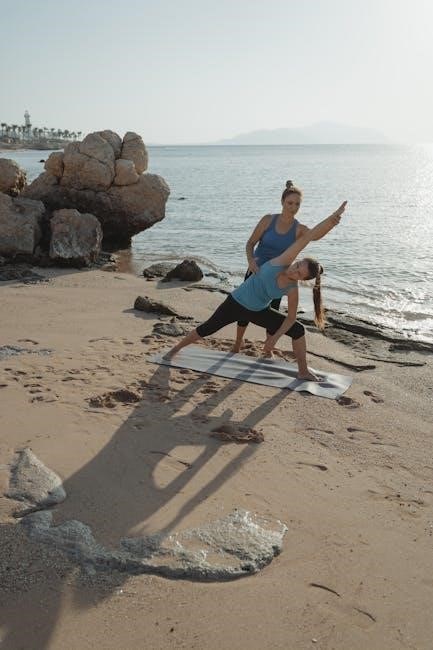
Focus on maintaining a neutral spine and avoiding arching your lower back. These stretches require careful attention to form and should be approached cautiously.
Remember to listen to your body and avoid pushing beyond your comfortable range of motion. These techniques are best incorporated after mastering foundational psoas stretches.
Couch Stretch
The Couch Stretch is an advanced technique demanding significant hip flexor and psoas flexibility, offering a deep release for those prepared for the intensity. It’s particularly beneficial for individuals experiencing tightness from prolonged sitting or athletic activity.
To begin, kneel facing away from a couch or stable elevated surface. Place the top of one foot on the couch, ensuring your shin is relatively vertical. Gently lower your torso forward, maintaining an upright posture;
Focus on keeping your core engaged and avoiding excessive arching in your lower back. You should feel a pronounced stretch in the front of the hip and thigh of the elevated leg.
Hold the stretch for 30-60 seconds, breathing deeply. Modifications include using a cushion under the knee for comfort or reducing the height of the elevated surface.
Proceed with caution, as this stretch can be intense. Listen to your body and stop if you experience any sharp pain.
Modified Thomas Stretch
The Modified Thomas Stretch is a valuable assessment and stretch for psoas and hip flexor tightness, offering a controlled way to identify and address restrictions. It’s a progression from the standard Thomas Stretch, making it more accessible.
Begin by sitting on the edge of a sturdy surface, like a bench or bed. Lie back, bringing both knees towards your chest. Then, gently lower one leg towards the floor while keeping the other knee drawn in.
Observe the position of the lowered leg. A tight psoas will prevent the thigh from fully resting on the surface, causing the hip to flex and the lower back to arch.

To deepen the stretch, gently press the lowered thigh towards the floor. Hold for 30-60 seconds, breathing deeply. Repeat on the other side.
Focus on maintaining a neutral spine and avoiding excessive arching. This stretch helps improve hip extension and alleviate lower back discomfort.
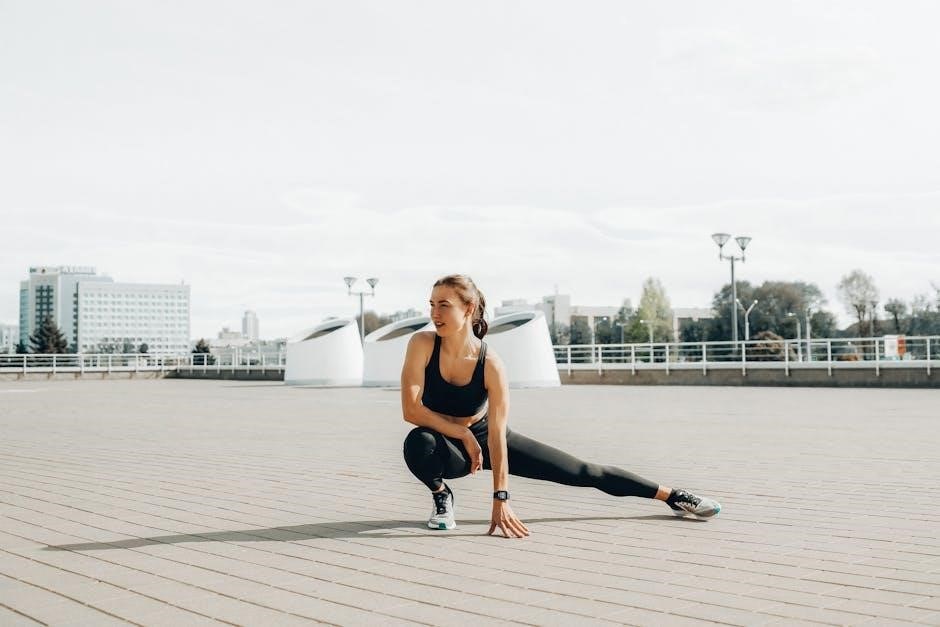
Integrating Psoas Stretches into Your Routine
Seamlessly incorporate dynamic and static psoas stretches into your warm-ups and cool-downs for optimal results, enhancing flexibility and reducing injury potential.
Warm-up and Cool-down Considerations
Prior to engaging in dedicated psoas stretches, a gentle warm-up is crucial to prepare the muscles and surrounding tissues. Consider light cardio, such as walking or leg swings, for approximately five to ten minutes. This increases blood flow and enhances muscle elasticity, minimizing the risk of strain.
Dynamic stretches, like knee-to-chest movements, are excellent warm-up components, activating the psoas and hip flexors. Avoid holding static stretches during the warm-up phase, as this can temporarily reduce muscle power.
Following your psoas stretching routine, a cool-down period is equally important. Gentle walking helps gradually lower your heart rate and prevents muscle soreness. Incorporate light static stretches, holding each for 20-30 seconds, to promote relaxation and improve flexibility.
Remember to listen to your body and avoid pushing yourself beyond your comfortable range of motion during both warm-up and cool-down phases. Consistency and mindful movement are key to reaping the benefits of psoas stretching.
Frequency and Duration of Psoas Stretching
For optimal results, incorporate psoas stretches into your routine consistently, ideally 2-3 times per week. However, individuals experiencing significant tightness or discomfort may benefit from daily gentle stretching.
Each stretching session doesn’t need to be lengthy; even a focused 5-10 minute routine can yield noticeable improvements. Prioritize quality over quantity, ensuring proper form and mindful engagement of the muscles.
Begin with shorter hold times (20-30 seconds) for static stretches, gradually increasing the duration as your flexibility improves. Dynamic stretches can be performed for 10-15 repetitions per leg.
Listen to your body and adjust the frequency and duration based on your individual needs and response. Consistency is paramount; regular, gentle stretching is more effective than infrequent, intense sessions. Remember to combine stretching with core strengthening exercises for balanced muscle development.
Precautions and Contraindications
While psoas stretches are generally safe, certain precautions should be observed. Individuals with acute lower back pain, hip injuries, or recent surgeries should consult a healthcare professional before starting any new stretching routine.
Avoid pushing yourself beyond your pain threshold. Stretching should feel challenging but not painful. Discontinue any exercise that causes sharp or radiating pain.
Those with spinal stenosis or other spinal conditions should exercise caution and modify stretches as needed. Pregnant women should consult their doctor before performing deep hip flexor stretches like the pigeon pose.
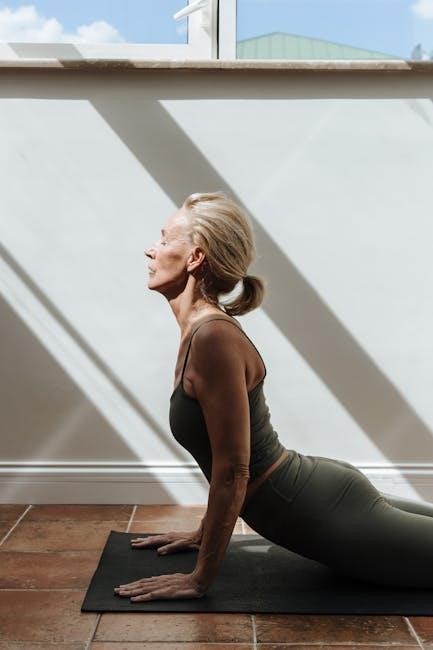
Be mindful of your body’s limitations and progress gradually. If you experience any adverse effects, such as increased pain or numbness, stop stretching and seek medical advice. Proper warm-up and cool-down are crucial to prevent injury and maximize benefits.