Warhammer Instructions: A Comprehensive Guide
Embark on a journey into the worlds of Warhammer, a captivating hobby blending strategy, artistry, and lore․ This guide provides essential instructions
for newcomers, covering everything from assembling miniatures to mastering the tabletop battles within these immersive universes․ Prepare to delve into a realm
of endless possibilities, where imagination and tactical prowess converge, offering a uniquely rewarding experience for enthusiasts of all skill levels․
Welcome to the expansive and enthralling hobby of Warhammer! This universe encompasses a wealth of tabletop wargames, model building, and rich storytelling, captivating enthusiasts globally․ At its core, Warhammer is about collecting, assembling, painting, and battling with miniature armies, representing diverse factions locked in eternal conflict․
Whether you’re drawn to the grim darkness of the far future in Warhammer 40,000 or the high-fantasy realms of Warhammer: Age of Sigmar, there’s a world waiting to be explored․ The hobby isn’t just about the games themselves; it’s a creative outlet, a strategic challenge, and a vibrant community․ This guide will serve as your initial stepping stone, providing fundamental instructions and insights to begin your Warhammer adventure․ Prepare to immerse yourself in a world where every miniature tells a story and every battle is a test of skill and imagination․
What is Warhammer 40,000?
Warhammer 40,000 is a tabletop wargame set in a dystopian future where humanity teeters on the brink of annihilation․ In this grim darkness, the Imperium of Man battles relentlessly against alien races, heretical forces, and the insidious influence of Chaos․ It’s a universe defined by constant war, religious fanaticism, and technological decay, offering a uniquely compelling setting for strategic conflict․
Players command armies composed of intricately detailed miniatures, representing iconic factions like the Space Marines, Astra Militarum, and various Xenos threats․ Battles are resolved using dice rolls, measuring tools, and a comprehensive rulebook, demanding tactical thinking and strategic planning․ Beyond the gameplay, Warhammer 40,000 boasts a vast and detailed lore, explored through novels, video games, and other media․ It’s a hobby that rewards both competitive spirit and creative expression, inviting players to immerse themselves in a galaxy consumed by eternal war․
Warhammer: Age of Sigmar ー An Overview
Warhammer: Age of Sigmar transports players to the Mortal Realms, a collection of diverse and magical worlds shattered by a cataclysmic event known as the Age of Chaos․ Unlike its science-fantasy counterpart, Age of Sigmar embraces high fantasy, featuring heroic warriors, mythical creatures, and powerful gods locked in an eternal struggle for dominion․
Players assemble and command armies representing factions like the Stormcast Eternals, Orruk Warclans, and the sinister forces of Nurgle․ Gameplay emphasizes dynamic movement, heroic actions, and spectacular battles, utilizing a streamlined rule set designed for fast-paced engagements․ The setting is rich with lore, exploring themes of heroism, sacrifice, and the cyclical nature of destruction and rebirth․ Age of Sigmar offers a vibrant and accessible entry point into the Warhammer hobby, appealing to both seasoned wargamers and newcomers alike․

Getting Started with Warhammer
Begin your Warhammer journey by selecting a faction, assembling your first miniatures, and learning the core rules to experience thrilling tabletop battles․
Choosing Your First Army
Selecting your initial Warhammer army is a pivotal decision, significantly impacting your early gaming experience․ Consider your aesthetic preferences – do you favor the noble heroism of the Space Marines, the terrifying might of the Chaos legions, or the diverse and alien Xenos forces?
Beginner-friendly armies, like the Space Marines, offer a relatively straightforward learning curve with readily available resources and established tactics․ However, don’t shy away from exploring other factions if their lore or visual style resonates with you more strongly․
Researching each army’s playstyle is crucial; some excel in close combat, while others prioritize ranged firepower or psychic abilities․ Think about how you enjoy playing – do you prefer aggressive assaults or a more defensive, strategic approach?
Ultimately, the best army is the one that excites you the most, inspiring you to build, paint, and play with enthusiasm․ Don’t overthink it; choose a faction that sparks your imagination and dive in!
Space Marines: A Beginner-Friendly Faction
Space Marines represent an excellent starting point for newcomers to Warhammer 40,000, offering a blend of iconic imagery, straightforward tactics, and extensive support․ As the genetically engineered defenders of humanity, they boast durable armor, versatile weaponry, and a rich history․
Their relatively simple army composition and readily available resources make them easy to learn, allowing beginners to quickly grasp core gameplay mechanics․ Numerous starter sets provide everything needed to begin, including miniatures, rules, and assembly instructions․
Space Marines excel at all-around combat, capable of both ranged engagements and brutal close-quarters assaults․ This versatility allows players to experiment with different strategies and adapt to various opponents․ Furthermore, their widespread popularity ensures a thriving community and ample opportunities for learning and collaboration․
Armies of Chaos: Exploring the Dark Side
For those drawn to darker narratives, the Armies of Chaos offer a compelling alternative within the Warhammer 40,000 universe․ These forces, corrupted by the malevolent Chaos Gods, embody destruction, mutation, and relentless aggression․ While presenting a steeper learning curve than Space Marines, they reward players with unique tactical options and a visually striking aesthetic․
Chaos armies are incredibly diverse, encompassing various factions like Chaos Space Marines, Daemons, and mortal cultists․ Each sub-faction possesses distinct strengths and weaknesses, demanding strategic adaptability․ Mastering these armies requires understanding the intricacies of Chaos lore and embracing a more unpredictable playstyle․
Expect powerful, yet fragile units, reliant on overwhelming force and daemonic blessings․ Building a Chaos army is a journey into the grim underbelly of the Warhammer universe, offering a challenging but ultimately rewarding experience․
Xenos Armies: Diverse and Challenging Options
Beyond humanity and the forces of Chaos, the Warhammer 40,000 galaxy teems with Xenos – alien races each possessing unique cultures, technologies, and combat doctrines․ Choosing a Xenos army presents a significant challenge, demanding a departure from conventional Imperial tactics․ These factions often require a deeper understanding of their lore to unlock their full potential․
Options range from the technologically superior Tau Empire to the savage Orks, the enigmatic Eldar, and the terrifying Tyranids․ Each Xenos race offers a drastically different playstyle, emphasizing specialized units and unconventional strategies․ Expect asymmetrical warfare and a focus on exploiting enemy weaknesses․
Successfully commanding a Xenos army demands adaptability and a willingness to embrace alien philosophies of war, offering a truly diverse and rewarding experience․
Assembly and Building
Transform plastic sprues into formidable warriors! This section details essential tools and techniques for assembling your Warhammer models, ensuring a sturdy and visually impressive army․
Tools Required for Warhammer Assembly
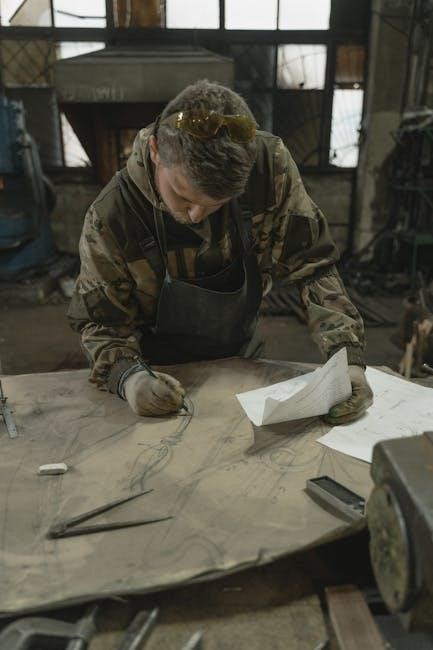
Embarking on the journey of assembling your Warhammer miniatures requires a few key tools to ensure a smooth and enjoyable process․ Firstly, a sprue cutter is essential for cleanly removing parts from the plastic sprue, preventing damage and ensuring precise fits․ Following this, a hobby knife with a sharp blade is crucial for cleaning mold lines – those pesky remnants from the manufacturing process – and refining details․
Plastic glue, specifically designed for polystyrene, is the adhesive of choice, creating strong and durable bonds․ Consider investing in a pin vise and drill bits for pinning larger or heavier parts, adding extra reinforcement․ A modeling file or sandpaper will help smooth surfaces and refine shapes․ Finally, a cutting mat protects your workspace, and tweezers assist with handling small components․ These tools will empower you to build impressive Warhammer armies!
Plastic Model Kit Assembly Techniques
Mastering plastic model kit assembly is fundamental to enjoying the Warhammer hobby․ Begin by carefully studying the instructions, identifying each component and its corresponding location․ Gently clip parts from the sprue using a sprue cutter, then meticulously remove mold lines with a hobby knife or file․ Dry-fitting – assembling pieces without glue – is crucial to ensure proper alignment before committing to a bond․
Apply plastic glue sparingly to the joining surfaces, holding the parts together until the adhesive sets․ For added strength, consider pinning larger components with small rods․ Pay attention to detail, ensuring seamless connections and accurate positioning․ Patience is key; rushing can lead to errors․ Once assembled, allow the glue to fully cure before proceeding to painting, resulting in a robust and visually appealing model․
Glue Types and Application
Selecting the right glue is vital for successful Warhammer model assembly․ Plastic cement, the most common choice, chemically welds plastic parts, creating a strong, permanent bond․ Apply it sparingly with a fine applicator, allowing capillary action to draw the glue into the joint․ Avoid excessive amounts, as it can melt plastic and create a messy finish․ Super glue (cyanoacrylate) offers rapid adhesion but can be brittle; use it for smaller details or metal components․
Polymer glues are versatile, bonding various materials․ Always work in a well-ventilated area and follow the manufacturer’s safety guidelines․ Proper application – a thin, even coat – ensures a clean and durable connection․ Remember to clamp or hold parts firmly until the glue fully sets, preventing shifting and ensuring a precise fit․
Removing Mold Lines and Sprue
Achieving a clean finish on your Warhammer models begins with removing mold lines and sprue; Mold lines, the thin ridges left from the injection molding process, detract from the model’s appearance․ Carefully scrape them away using a hobby knife or a dedicated mold line remover tool․ Exercise caution to avoid damaging the plastic․
Sprue, the framework holding the parts, must also be removed․ Use sprue cutters for a clean separation, leaving minimal stress on the plastic․ After cutting, gently clean up any remaining nub with a knife or file․ Smooth the area to blend seamlessly with the model’s surface․ This meticulous preparation ensures a professional-looking result, enhancing the final painted miniature․

Painting Your Warhammer Models
Bring your assembled miniatures to life with vibrant colors! This section details techniques for priming, base coating, layering, and shading, unlocking artistic expression․
Priming Your Models
Priming is a crucial first step in painting Warhammer models, ensuring paint adheres properly and provides a uniform base․ It creates a surface for subsequent layers to grip onto, preventing chipping and enhancing color vibrancy․ Several priming methods exist, including spray primers and brush-on primers․
Spray primers offer a smooth, even coat but require proper ventilation and masking to avoid unwanted coverage․ Shake the can vigorously for at least two minutes before application, and apply in short, controlled bursts, maintaining a distance of approximately 8-12 inches․ Multiple thin coats are preferable to one thick coat, preventing runs and preserving detail․
Brush-on primers are ideal for smaller models or intricate areas, offering greater control․ Apply in thin, even layers, avoiding pooling․ Allow the primer to dry completely – typically 24 hours – before proceeding to base coating․ Choose a primer color that complements your intended paint scheme; black is versatile, while white brightens colors․
Base Coating Techniques
Base coating establishes the primary colors of your Warhammer models, forming the foundation for subsequent detailing․ Thin your paints with water or a dedicated acrylic thinner to achieve a smooth, even consistency – multiple thin coats are far superior to a single thick application, preserving detail and preventing texture loss․
Apply the base coat in smooth, controlled strokes, working in sections․ Avoid applying paint too heavily in recesses, as this can obscure detail․ Allow each coat to dry completely before applying the next․ Consider using a wet palette to maintain paint consistency and prevent drying․
For larger areas, a brush is suitable, while smaller details benefit from a finer-tipped brush․ Don’t be afraid to apply several coats to achieve full, opaque coverage․ Patience is key; a well-executed base coat significantly enhances the final result․
Layering and Highlighting
Layering and highlighting add depth and visual interest to your Warhammer models, simulating light and shadow․ Layering involves applying progressively lighter shades of a color to raised areas, building up tone gradually․ Begin with a slightly lighter shade than your base coat, applying it to approximately 75% of the surface․
Repeat this process with increasingly lighter shades, reducing the coverage area each time, focusing on prominent edges and raised details․ Highlighting takes this further, using the lightest shade to accentuate the most extreme edges and points․
Thin your paints meticulously for smooth transitions․ Control is crucial; avoid harsh lines․ Blending techniques, like wet blending, can soften transitions for a more natural look․ Practice makes perfect – mastering layering and highlighting elevates your painting significantly․
Washing and Shading
Washing and shading define recesses and details on your Warhammer miniatures, creating depth and realism․ A wash is a heavily thinned paint that flows into crevices, darkening them and emphasizing textures․ Apply a wash liberally over the area you want to shade, allowing it to settle into the recesses naturally․

Remove excess wash from flat surfaces with a clean, damp brush to prevent unwanted staining․ Shading can also be achieved through targeted application of darker paints, focusing on areas naturally shadowed․ Consider using multiple washes for varied effects․
Experiment with different wash colors to achieve unique looks․ Remember to allow the wash to dry completely before proceeding to the next painting stage, ensuring a clean and defined result․
Drybrushing for Texture
Drybrushing is a technique to highlight raised textures, simulating wear and tear or adding a weathered appearance to your Warhammer models․ Dip a brush into paint, then wipe off almost all of it onto a paper towel – the brush should feel nearly dry․ Lightly brush across the raised areas of the model․
The remaining paint will catch on the edges, creating a subtle highlight․ Use multiple layers of drybrushing with lighter shades for a more pronounced effect․ This technique excels at highlighting fur, cloth, or rocky surfaces․
Control the pressure and angle of your brush for desired results․ Practice on spare plastic to master the technique before applying it to your prized miniatures․
Playing the Game
Strategic battles await! Understand core rules, movement, shooting, and combat resolution to command your forces effectively․ Tactical thinking is key to victory․
Understanding Core Rules
Diving into Warhammer requires grasping fundamental rules governing gameplay․ These rules dictate how units move, interact, and resolve conflicts on the battlefield․ Key concepts include turn structure – typically alternating phases between players – and the sequence of actions within each turn․
Understanding phases like Movement, Psychic, Shooting, and Charge is crucial․
Each phase allows specific actions, governed by unit stats and abilities․
Dice rolls determine success, modified by skills and external factors․
Line of sight, range, and cover significantly impact shooting effectiveness․
Combat resolution involves attack and defense characteristics, with dice rolls determining hits, wounds, and ultimately, casualties․
Familiarizing yourself with these core mechanics provides a solid foundation for strategic gameplay and enjoying the immersive Warhammer experience․
Movement and Shooting Phases
The Movement phase dictates how units reposition on the battlefield, influencing tactical opportunities and vulnerability․ Units have specific movement characteristics, impacting their range and speed․ Terrain plays a vital role, hindering or obstructing movement․ Following Movement, the Shooting phase allows ranged attacks․
Line of sight is paramount; a clear path must exist between the firing unit and the target․
Range determines if a target is within effective distance․
Dice rolls determine hits, modified by weapon skill and target cover․
Wounds are then assessed, based on weapon strength versus target toughness․
Strategic positioning during Movement maximizes shooting angles and minimizes exposure, while understanding weapon ranges and capabilities is key to effective fire․
Combat Resolution
Combat Resolution unfolds after units engage in close quarters, determining the outcome of brutal clashes․ Attack rolls, modified by weapon skill and enemy defenses, determine successful hits; Wounds are inflicted based on weapon strength versus target toughness, potentially eliminating models․
Saving throws offer a chance to negate wounds, influenced by armor and abilities․
Morale tests assess a unit’s resolve after suffering casualties; failure can lead to retreats or routs․
Terrain and supporting units can provide combat bonuses․
Strategic positioning and unit synergy are crucial for maximizing combat effectiveness․ Understanding these mechanics is vital for prevailing in the heat of battle, securing victory through tactical prowess․
Strategic Considerations
Mastering Warhammer demands more than just knowing the rules; it requires astute strategic thinking․ Objective control is paramount – prioritize securing key locations to accumulate victory points․ Unit deployment should anticipate enemy movements, creating advantageous engagements․
Exploit terrain features for cover and tactical positioning․
Synergies between units amplify their effectiveness; combine strengths to overcome weaknesses․
Anticipate your opponent’s plans and adapt accordingly․
Resource management, including psychic powers and special abilities, is crucial․
Effective strategizing involves balancing aggression with defense, seizing opportunities while mitigating risks, ultimately leading to battlefield dominance․

Resources and Community
Connect with fellow Warhammer enthusiasts through official websites, newsletters, and local gaming groups for support, advice, and shared experiences within this vibrant hobby․
Warhammer Official Website
The official Warhammer website serves as the central hub for all things Warhammer, offering a wealth of resources for both newcomers and seasoned veterans․ Here, you’ll discover comprehensive rulesets for Warhammer 40,000 and Warhammer: Age of Sigmar, alongside detailed army lists, lore articles, and captivating background information that enriches the gaming experience․
Explore the online store to purchase miniatures, paints, and accessories directly from Games Workshop․ Regularly updated with new releases, exclusive content, and engaging articles, the website also features a vibrant community forum where players can connect, share strategies, and showcase their painted models․
Furthermore, the site provides access to the Warhammer+ streaming service, offering exclusive animations, battle reports, and painting tutorials․ It’s an invaluable resource for staying current with the latest developments and deepening your understanding of the Warhammer universes․
Warhammer Newsletter and Updates
Stay informed about the ever-evolving worlds of Warhammer by subscribing to the official newsletter! This regular email delivers the latest news, including upcoming releases, exclusive previews, and in-depth articles exploring the rich lore of both Warhammer 40,000 and Warhammer: Age of Sigmar․ You’ll receive direct updates on new model announcements, painting guides, and strategic insights to enhance your gameplay․
The newsletter also highlights community events, showcases inspiring hobby projects, and provides links to essential resources on the Warhammer website․
Don’t miss out on special offers, early access to sales, and opportunities to win exclusive prizes․ Signing up ensures you’re always in the loop, ready to immerse yourself further into the captivating universes of Warhammer!
Finding Local Gaming Groups
Enhance your Warhammer experience by connecting with fellow enthusiasts in your area! Playing with others adds a dynamic social element and provides invaluable learning opportunities․ Numerous resources can help you locate local gaming groups, including the official Warhammer website’s store finder, which often lists affiliated clubs and retailers hosting games․
Online platforms like Facebook and dedicated Warhammer forums are also excellent places to search for groups․ Many independent game stores organize regular Warhammer nights, offering a welcoming environment for players of all levels․
Participating in local events and tournaments is a fantastic way to improve your skills, meet new friends, and immerse yourself in the vibrant Warhammer community․